The Adversary Universe: A Look at Contraband Smuggling
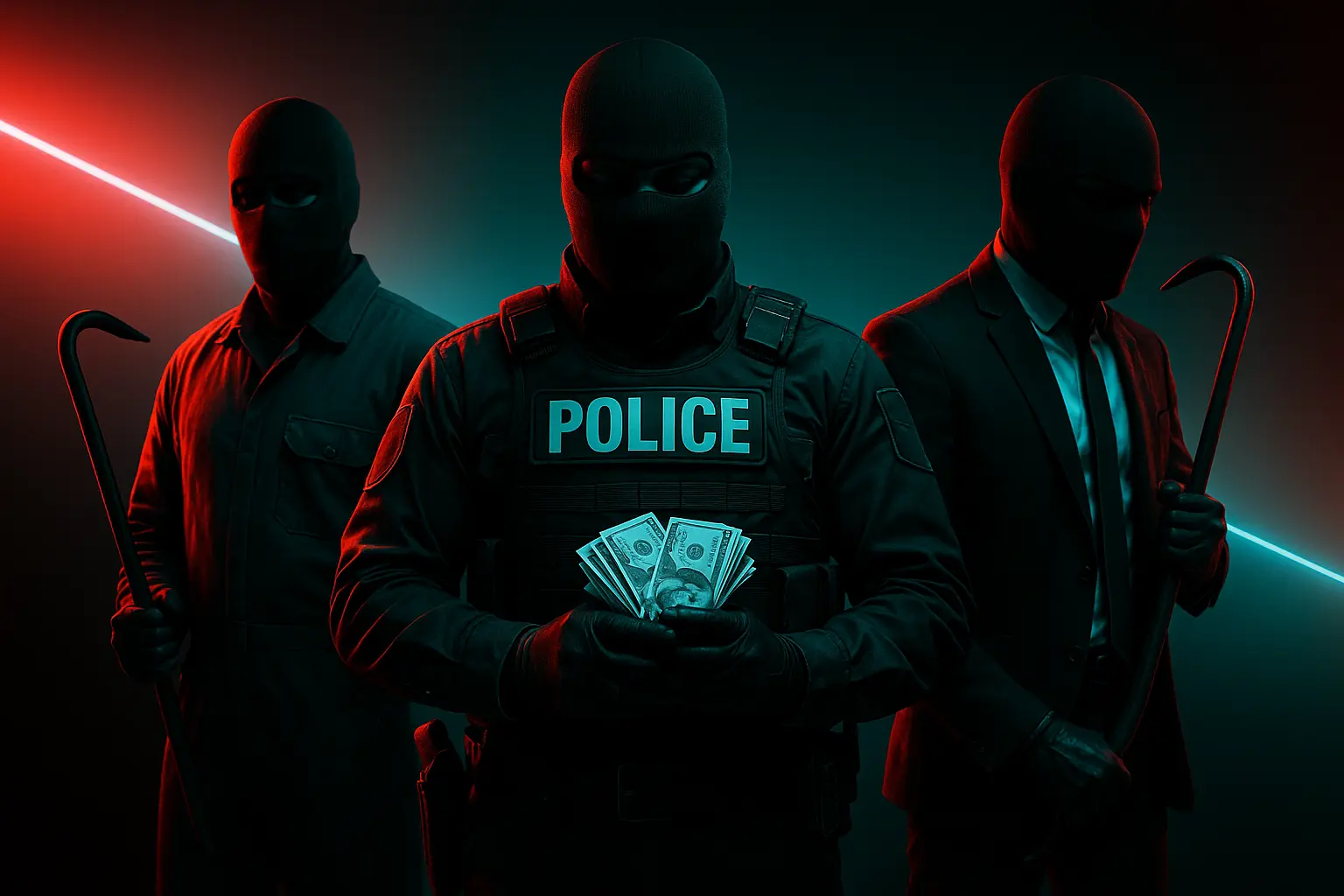
Contraband smuggling is not just an abstract supply chain risk—it’s a living, breathing ecosystem of predators, opportunists, and professional deceivers embedded deep within legitimate trade. This is the adversary universe: a parallel economy that thrives on corruption, coercion, and calculated violence. They don’t just steal profit; they dismantle trust, poison reputations, and, in some cases, threaten lives.
Once you learn how they operate, you’ll start to wonder: Is someone in my supply chain already one of them?
The Layers of the Adversary Universe
1. The “Invisible” Locals
On the surface: dock loaders in worn denim jackets, plantation workers in sun-bleached caps, truck drivers with thermoses of black coffee. Beneath the surface: eyes and ears for smuggling crews, perfectly positioned to slip a kilo inside a crate or tip off handlers about inspection schedules.
Temperament: calm under pressure, quick to smile, but always scanning the environment. They know when to vanish before trouble arrives.
Case Study: In 2022, a banana exporter in Guayaquil discovered that a long-trusted forklift operator had been inserting sealed packages into pallets—coordinated by WhatsApp voice notes from cartel contacts. He was paid in cash small enough to avoid suspicion, but enough to double his yearly earnings.
2. The Middlemen & Fixers
The grease in the machine. They wear cheap suits that somehow fit too well, carry two phones, and know every guard’s shift rotation at the port. They move between worlds effortlessly—shaking hands with a customs officer in the morning and sharing drinks with cartel foot soldiers by night.
Temperament: hyper-social, unflappable, masters of “nothing to see here.” They live in plain sight.
Strange Method: Fixers have been known to pre-arrange “accidental” refrigeration breakdowns so containers can be pulled aside into isolated yards—perfect for inserting or extracting contraband unnoticed.
3. Corrupt Port & Customs Officials
They are the keystones. Some are coerced—threats to family, car tires slashed, anonymous calls late at night. Others are bought, plain and simple. A single customs inspector can make $50,000 in a week just by mislabeling one container scan.
Temperament: meticulous, cautious, but with a fatal flaw—greed or fear. They blend perfectly into the bureaucracy.
Case Study: In Rotterdam, an entire night shift was implicated in the passage of 4.5 tons of cocaine. Investigations revealed they had been coordinating via encrypted Signal groups, exchanging container numbers and “green light” signals in real time.
4. Organized Crime Syndicates
These are the architects. They sit far from the docks—often in penthouse apartments or fortified villas—and treat smuggling as a logistics business. They hire ex-military for enforcement, hackers for system infiltration, and lawyers to tie up investigators in red tape.
Temperament: cold, analytical, decisive. Violence is a tool, not a compulsion.
Reality Check: In 2023, Dutch police reported a 30% increase in violent crime linked to port drug seizures, including Molotov cocktails thrown at the homes of legitimate grocers who reported suspicious shipments. One store owner’s teenage son was kidnapped for 48 hours as “a warning.”
5. Front Companies & Professional Launderers
Perfectly polished—blazers, Rolexes, LinkedIn profiles boasting “10 years in global trade.” They look like your next business partner. They sponsor local soccer teams, donate to charities, and speak at trade conferences. All the while, their invoices and bills of lading are riddled with lies.
Temperament: charming, confident, over-rehearsed. Always “in a rush” but never flustered.
Strange Method: Some use ultra-low-value cargo (like scrap plastic) in legal manifests to hide extremely high-value illicit cargo—betting that no one will spend resources scanning a container worth less than $1,000 on paper.
Tactics That Keep You Up at Night
- Rip-on/Rip-off in Motion – Armed teams in speedboats boarding vessels mid-channel to stuff or strip containers, often while crews are asleep.
- Insider Rotations – Criminals strategically place employees inside logistics companies for months or years before activation.
- Heat Shielding – Cocaine bricks wrapped in materials that mask their thermal signature during X-ray or infrared scanning.
- Route Ghosting – Containers deliberately misrouted to “ghost” ports with weak oversight before reappearing on schedule.
The Violence Behind the Cargo
This is not white-collar crime—it’s a battlefield. In Antwerp and Rotterdam alone, law enforcement has linked over 50 targeted violent incidents in the last two years to smuggling disputes. Firebombed warehouses. Grocery store owners threatened for reporting suspicious shipments. Shootings over lost loads worth tens of millions.
In 2021, Dutch police uncovered a shipping yard turned into a torture chamber—soundproofed, with dentist chairs and restraints—intended for rival smugglers and “disloyal” insiders.
Why They Thrive
- Scale Advantage: With over 800 million containers moving annually, inspection rates hover between 2–5%.
- Jurisdictional Friction: Criminal networks exploit gaps between port authorities, customs, and carriers.
- Asymmetric Risk: For them, losing a container is a setback. For you, losing one can end your business.
Breaking Their Chain
To counter this adversary universe, defense must be layered, adaptive, and mercilessly vigilant:
- AI-driven anomaly detection in logistics data—flagging patterns humans can’t see.
- Continuous chain-of-custody monitoring, with tamper alerts triggered in seconds.
- Insider threat programs to identify compromised staff early.
- Real-time intelligence sharing across carriers, ports, and law enforcement.
These adversaries thrive on your belief that “it won’t happen here.” But it will—and when it does, you won’t be dealing with paperwork. You’ll be staring down an ecosystem that knows your vulnerabilities better than you do, and has no hesitation exploiting them with precision, patience, and, if necessary, violence.
Refuse to be their prey. Equip your supply chain with the tools to outsmart, outmaneuver, and outlast the adversary universe.