The State of Container Control: Why Existing Solutions Fall Short
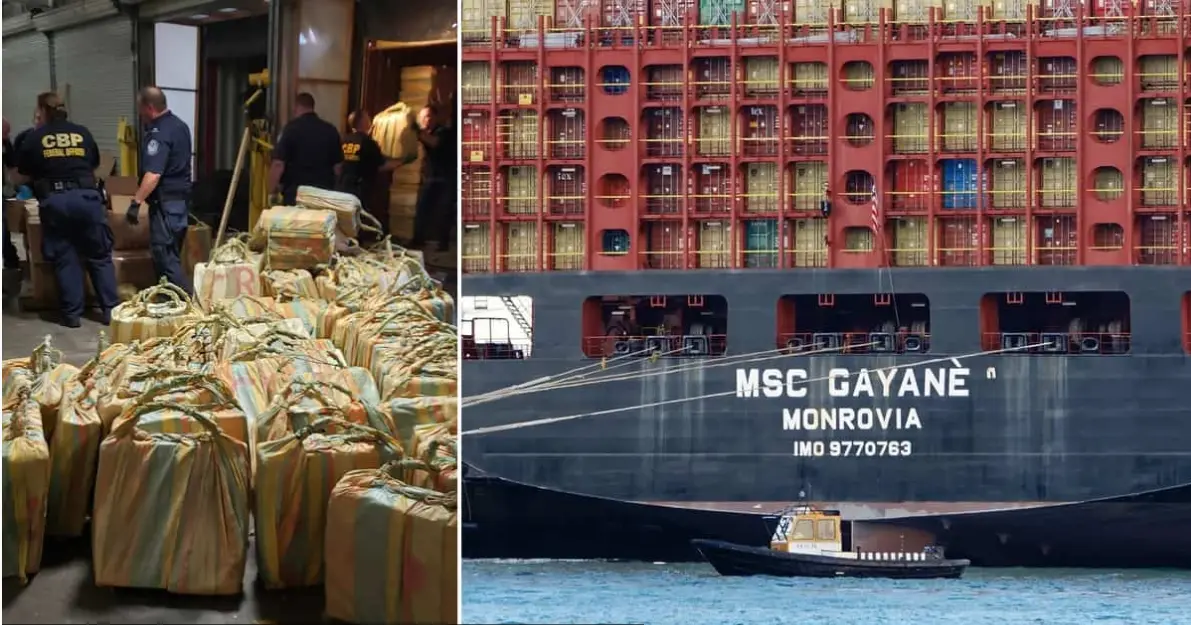
Container security has been a longstanding concern in the global trade ecosystem, but in the past decade the stakes have risen to unprecedented levels. The sheer scale, complexity, and interconnectedness of modern supply chains have made them both indispensable and inherently vulnerable. What once worked—basic container seals, infrequent random inspections, and stacks of manually checked paperwork—was built for a slower, less globalized world. Today’s illicit operators are more agile, better resourced, and technologically ahead of the enforcement curve. They don’t just exploit gaps—they map and anticipate them with precision.
From a casual glance on a dock, a sealed container might appear tamper-proof. The reality is starkly different. Seals can be duplicated with inexpensive hardware bought online. Locks—whether mechanical or electronic—can be bypassed with specialized tools, leaving no visible trace of forced entry. Even digital identifiers and tracking numbers are not immune; they can be forged, swapped, or manipulated within port systems that still rely on outdated verification methods. The physical integrity of a container is only one thin layer in a multi-dimensional vulnerability stack.
The MSC Gayane: A Case Study in Systemic Failure
The 2019 seizure of nearly 20 tons of cocaine aboard the MSC Gayane remains one of the largest drug busts in U.S. history—a staggering, high-profile illustration of how existing controls fail in practice. The illicit cargo, worth over a billion dollars, was hidden among legitimate shipments of wine, nuts, and other goods. Over the course of the voyage, drugs were clandestinely loaded and unloaded at multiple ports. The operation relied not on brute force, but on human access, operational familiarity, and procedural blind spots. Some crew members themselves were co-conspirators, using insider knowledge to evade inspections and exploit predictable security routines.
Even though the vessel passed through ports with established inspection regimes, the operation went undetected until late in the journey. By the time authorities intervened, the drugs were already deep within the U.S. supply chain’s inbound flow. The Gayane incident highlights a sobering truth: existing solutions are reactive—designed to discover smuggling after it has occurred—rather than proactive systems capable of stopping it at inception.
Why the Current Toolset Falls Short
-
Low Inspection Rates – Globally, fewer than 5% of containers undergo physical inspection. With over 800 million container movements annually, the statistical odds heavily favor smugglers. Even the most advanced customs agencies cannot scale manpower to inspect meaningfully more without crippling trade flow.
-
Static Security Protocols – Criminal networks learn quickly. Once they identify inspection cycles, port congestion patterns, or carrier habits, they can schedule operations during low-vigilance windows. Static rules become obsolete the moment adversaries understand them.
-
Siloed and Fragmented Data – Critical intelligence is scattered between shipping lines, terminal operators, customs agencies, and security bodies. Without integration, no single entity has a complete operational picture, leaving sophisticated patterns invisible to all parties.
-
Limited Real-Time Awareness – Many monitoring systems process data only after containers have already departed or arrived, eliminating any chance to interdict cargo mid-transit. This lag effectively gives illicit actors a free pass once goods are inside the network.
The Need for an Overhaul
Modern container control requires a fundamental rethinking of what “security” means—going far beyond locks and inspections. It demands continuous, intelligent, and interconnected systems capable of analyzing physical and digital risk factors simultaneously. The approach must shift from static protection to predictive risk mitigation.
Picture a global platform where every container’s door status, GPS location, weight distribution, and internal environmental conditions are continuously monitored. Deviations from expected parameters—an unplanned door opening in open sea, an unexplained weight drop, or a route diversion—would trigger immediate alerts to both the carrier and relevant authorities. This data, shared in near-real time and cross-referenced with historical shipping records, port incident databases, and customs filings, would enable an AI-driven risk engine to flag suspicious shipments before they become the next headline-grabbing bust.
The Opportunity for Technology-Driven Change
- Sensor-Based Tamper Detection – Deploying tamper-evident IoT devices that record every instance of door access, impact shock, or environmental change such as temperature spikes.
- Cross-Network Risk Scoring – Leveraging AI to combine fragmented datasets—carrier manifests, customs declarations, port call logs—into a unified risk profile for each shipment.
- Collaborative Port-Centric Security – Establishing shared watchlists and incident reporting frameworks between ports, carriers, and customs bodies, closing the information gaps exploited by smugglers.
- Immutable Digital Trails – Implementing blockchain-backed, unalterable chain-of-custody records that can’t be forged or retroactively manipulated.
Bottom line: The current toolset was not built for the scale, sophistication, or speed of today’s smuggling operations. Without transitioning to a system that is predictive, real-time, and fully data-driven, cases like the MSC Gayane will not only persist—they will multiply. The question for the industry is not whether to adapt, but how quickly it can move before the next billion-dollar breach.
From Reactive Policing to Proactive Intelligence
The future of container security lies in making the leap from slow-moving, after-the-fact investigations to anticipatory intelligence operations. This means embedding risk analysis into the very fabric of cargo movement—treating every container not just as a metal box, but as a data-emitting node in a global security network.
Right now, enforcement agencies typically act after an anomaly is discovered—through tip-offs, accidental findings, or sporadic inspections. This delay allows illicit goods to move deep into domestic distribution systems before anyone even knows they exist. By contrast, a proactive intelligence model seeks to intercept risk before it manifests. This requires two fundamental changes:
-
Real-Time Data Fusion – Data from GPS trackers, door sensors, weight monitors, and environmental sensors should merge instantly with digital records: bills of lading, customs filings, crew manifests, vessel itineraries, and satellite imagery. When fused and processed through advanced analytics, this creates a living operational map that evolves as the shipment moves.
-
Dynamic Threat Modeling – Instead of relying on static risk categories (e.g., “country of origin” or “commodity type”), AI can continuously recalculate a shipment’s threat score based on emerging factors. This might include sudden route deviations, unexpected port calls, or even behavioral anomalies from ship or port personnel.
The Network Effect of Shared Intelligence
A key multiplier in this model is network participation. One port, one carrier, or one customs office alone cannot build a complete picture. But if ports, carriers, and regulators contribute their sensor data, incident reports, and inspection outcomes to a shared intelligence platform, the value of the system increases exponentially. Smugglers rely on jurisdictional blind spots—shared intelligence closes them.
Imagine a scenario:
- A container flagged in Rotterdam for an unusual weight change is later scanned in New York.
- Because both ports are tied into the same intelligence fabric, the anomaly triggers an immediate alert to U.S. Customs before the container is released to domestic trucking.
- The result: seizure at the port gate rather than a six-month investigation after the contraband has already entered the market.
Integrating Human and Machine Insight
Even with the best AI models, human expertise remains essential. Experienced customs officers, port security managers, and logistics operators hold tacit knowledge—small red flags, cultural context, operational nuances—that algorithms alone may miss. A proactive intelligence system should act as a force multiplier, giving human operators better leads and more time to act.
In practice, this means:
- Automated triage: AI filters millions of low-risk containers, surfacing only the top 0.1% for immediate human review.
- Context-rich alerts: Each flagged container comes with a full dossier—sensor readings, movement history, past incidents tied to similar routes or cargo types.
- Collaborative resolution tools: Secure communication channels between ports, carriers, and regulators to coordinate real-time responses.
Closing the Loop
A truly effective system must also learn from every incident. Each interdiction, false alarm, or overlooked case should feed back into the AI’s training data, continuously improving detection accuracy. This is the virtuous cycle:
- The more incidents the system handles, the smarter and faster it becomes.
- The smarter it becomes, the more incidents it intercepts before they cause damage.
This closed-loop intelligence approach is the opposite of today’s siloed, lagging processes. It transforms container control from a slow game of catch-up into an active defense network, capable of outpacing the very criminals who’ve thrived under the old rules.